From Zero to Confident: My Journey into Clinical MassageA Beginner’s Review of the Deep Tissue Massage Course at RSM International Academy
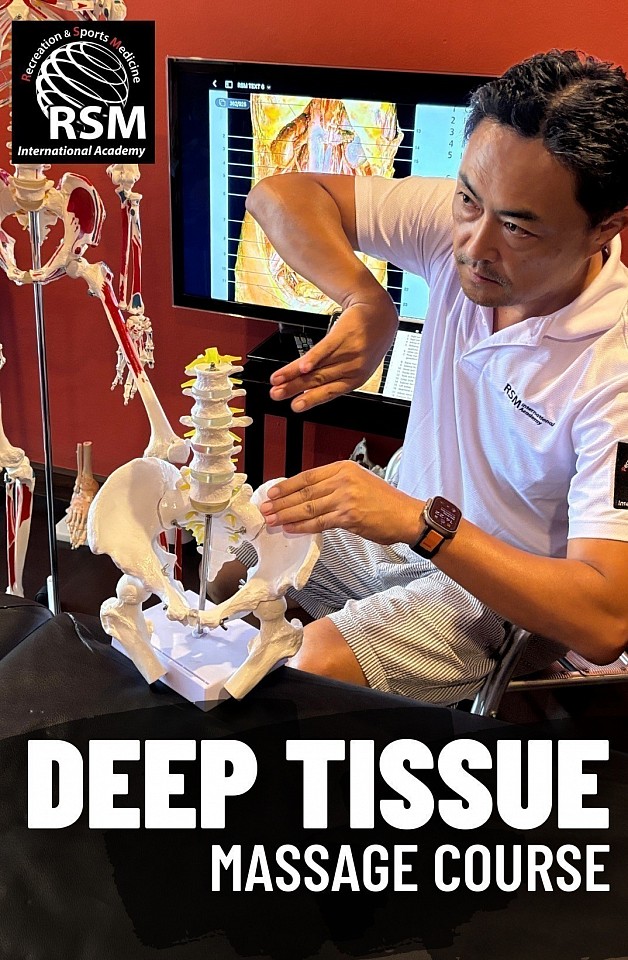
After two or three years in the industry, most of us hit a wall. I certainly did. I had my routines down, my clients were generally happy, and I felt competent. But deep down, I knew I was often just "chasing pain" rather than fixing it. I had taken courses before that promised advanced skills but usually ended up just teaching a slightly different sequence of the same old strokes.
I joined the Deep Tissue Massage Course at RSM International Academy hoping for something different. I had just finished their Trigger Point module, so I knew their standards were high, but I wasn't prepared for how much this course would reshape my daily practice.
Moving Beyond "Basic" Anatomy
In massage school, we learn the origins and insertions, pass the test, and then often forget the details. This course forced me to dust off that knowledge and upgrade it. We analyzed over 500 anatomical photos and posture images, connecting the dots between movement and pain.
It took what I previously considered standard anatomy basics for massage students and elevated it to a clinical level. I finally understood that deep tissue isn't just about digging into tight spots; it's about understanding fascial drag, structural compensation, and how a pelvic tilt affects the neck. This visual clarity became one of the most essential tools for massage therapists looking to transition from a relaxation therapist to a problem-solver.
Saving My Thumbs: The Pressure Shift
One of the biggest struggles at the 3-year mark is physical fatigue. I used to think "Deep Tissue" meant muscling through tight tissue, often at the expense of my own joints.
RSM completely changed my approach to developing effective pressure techniques. The instructors taught us to sink, wait, and use body weight mechanics rather than force. It was a revelation to realize that by aligning my body correctly, I could deliver deeper, more effective pressure without the burnout. If you want a long career, this adjustment alone is worth the tuition.
Treating the Cause, Not the Symptom
The curriculum focused heavily on common injuries treated by deep tissue massage, such as ITB issues, sciatica, and chronic shoulder strain. But instead of giving us a "recipe" for each injury, we learned to analyze the kinetic chain.
I learned the importance of addressing specific muscle groups that I used to ignore. For example, understanding how the hip rotators influence lower back pain changed my results immediately. We weren't just rubbing where it hurt; we were identifying whether the issue was structural, muscular, or protective guarding.
Professional Communication
A surprising takeaway was how the course improved my client interaction. I realized that establishing rapport with clients isn't just about good bedside manner; it's about educational authority. Because I can now explain the "why" behind their pain-using the logic of posture and biomechanics-my clients trust the process completely. They rebook not just because it feels good, but because they understand the treatment plan.
Refined Clinical Judgment
At this stage in my career, knowing the differences between massage modalities is crucial. RSM taught me exactly when to use deep tissue work and when to back off. It moved me away from random technique collecting toward an integrated clinical approach.
The lead instructor, Hironori Ikeda, brings a level of sports medicine precision that is rare to find. Working alongside physiotherapists and national team coaches in the class validated that this was next-level training.
If you are an experienced therapist feeling stuck or looking to refine your clinical deep tissue skills, RSM International Academy is the upgrade you need. It turned my experience into expertise.